
At the 2023 MACo Winter Conference, local and state leaders presented on the state of Blueprint implementation and the ongoing concerns for long-term success.
 Maryland’s landmark education reform law known as “The Blueprint” envisioned historical changes and investments in the state’s public schools. Now into implementation, the plan is still evolving and reality is setting in − sometimes leaving counties and school systems seeking a blueprint to the “The Blueprint.”Where is Maryland in reaching goals for teacher advancement, improved special education delivery, early childhood education, and the full range of goals in the Blueprint? And what are the means to still bring about these outcomes with challenging budgets at both the State and local levels?
At the MACo Winter Conference general session, “Education Reform: The Blueprint for the Blueprint,” county and state leaders in education examined Blueprint implementation, challenges that remain, and where Maryland is landing as it tries to reach the landmark law’s goals for public education. Speakers included representatives of key partnerships, county officials working closely “on the ground” to implement the education reform law, and other leaders.
Speakers:
- Clarence Crawford, Chair, Maryland State Board of Education
- Tara Jackson, Chief Administrative Officer, Prince George’s County
- Brit Kirwan, Vice Chair, Blueprint Accountability and Implementation Board (AIB)
- Sean Johnson, Executive Director, Maryland State Education Association (MSEA)
Moderator: The Honorable Vanessa Atterbeary, Chair, House Ways and Means Committee
Dr. Kirwan, Chair of the Kirwan Commission and now Vice Chair of the Blueprint Accountability and Implementation Board (AIB) opened the panel with a roadmap of how Maryland got to where it is with the Blueprint and its founding. He walked through Maryland’s previous education outcomes, exam scores, and where we stood compared to others. Previously, Maryland was around 25th in reading; today, the state is 44th. He also explained the five pillars of the Blueprint, which he says are the five things the best school systems in the world implement:
- Early childhood education;
- Elevate & invest in teaching;
- College & Career Readiness;
- 4. Equitable funding for all students; and
- 5. Accountability… “real accountability” as Dr. Kirwan said.
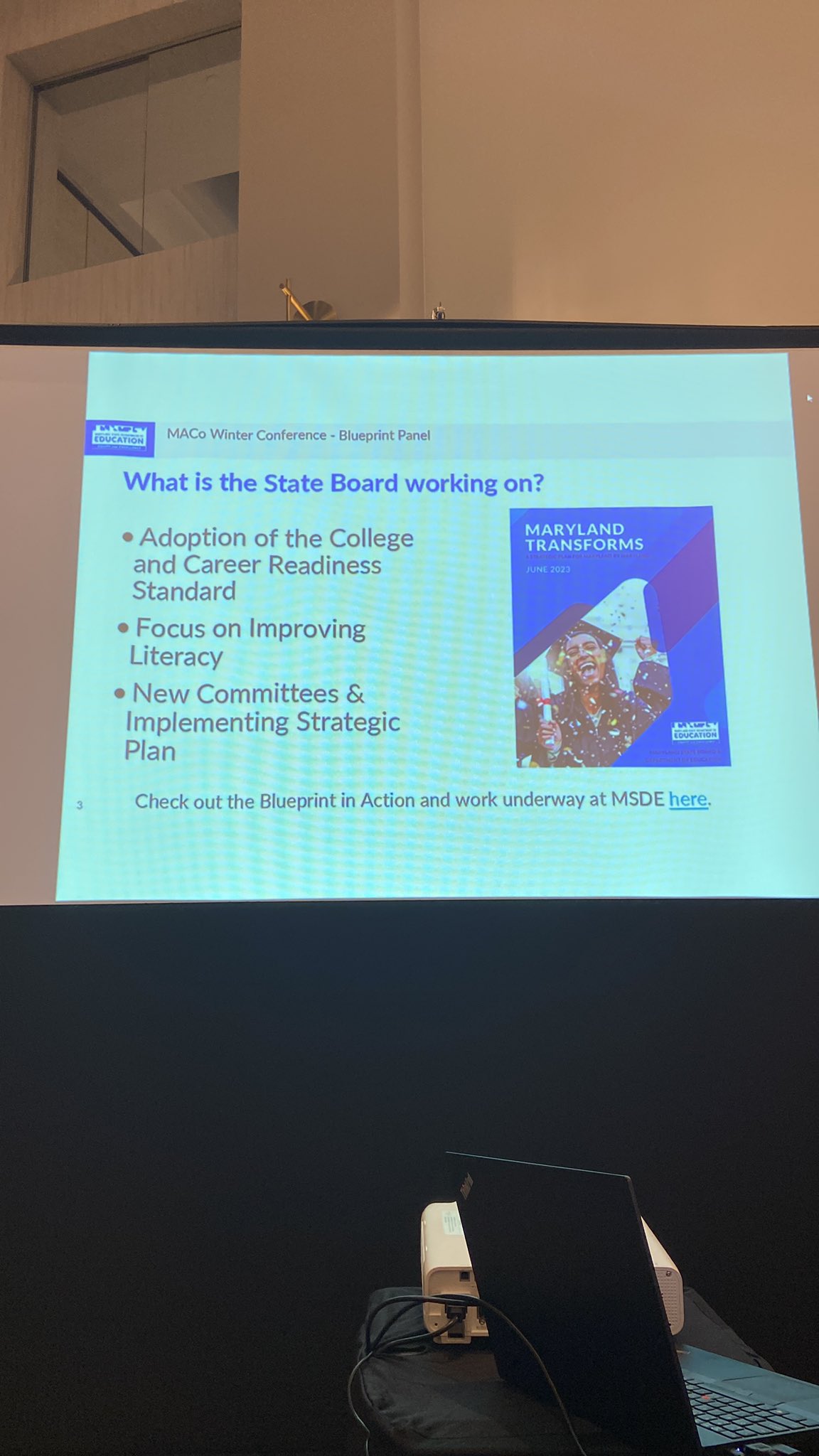
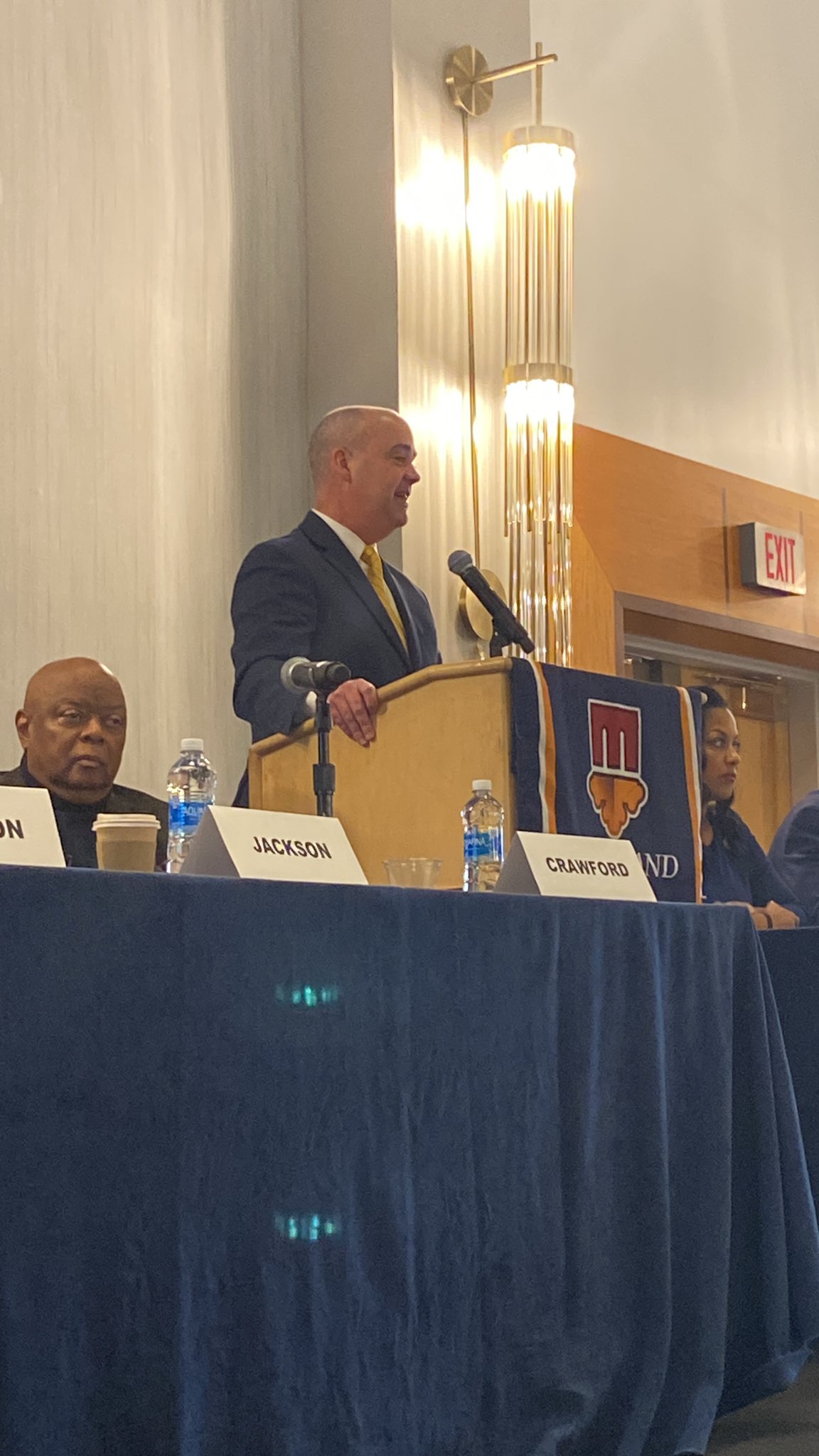
President of the State Board of Education Clarence Crawford then laid out the State’s priorities with implmenmting the Blueprint. He also gave a nod to MACo’s transparency in education spending 2024 legislative initiative and noted the value of transparency. Crawford also focused on the importance of local-state partnership and said:
We can’t do this by ourselves. We need your help. Everyone is focused on a simple goal to make sure we don’t miss the opportunity to bring about transformative education for children.
Funding the Blueprint
Prince George’s County Chief Administrative Officer Tara Jackson then walked the audience through the challenges her county is facing with Blueprint implementation — namely, the large increase in required county funding. Jackson called Prince George’s funding requirements “extremely difficult.”
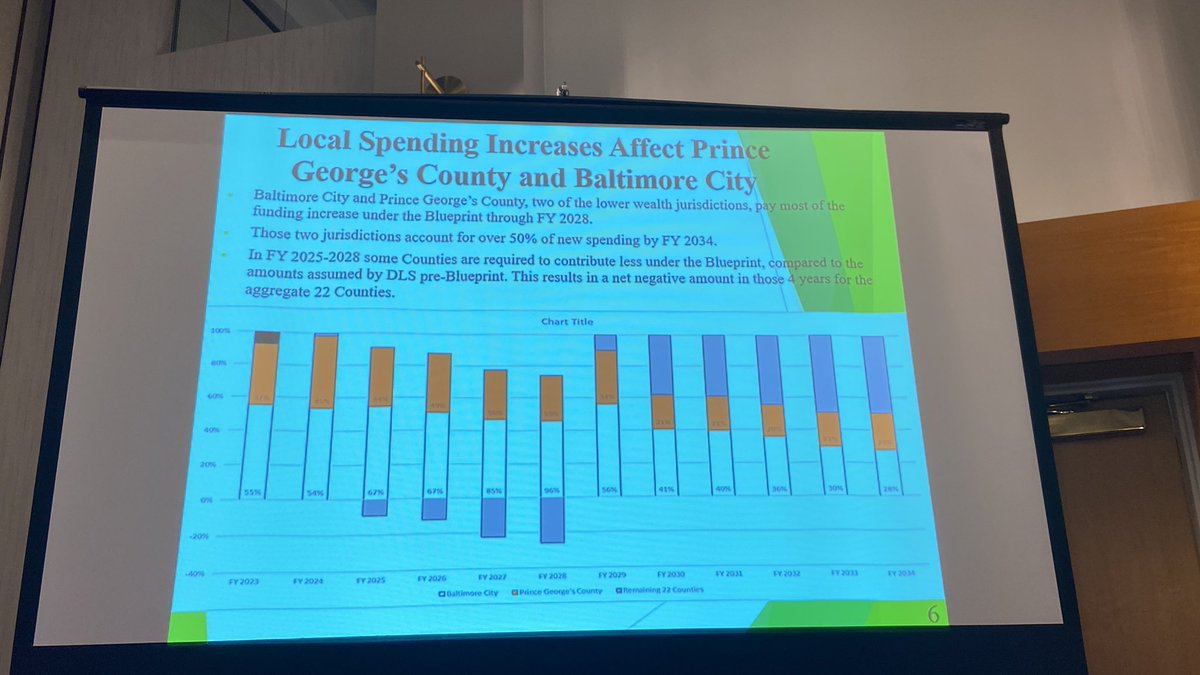
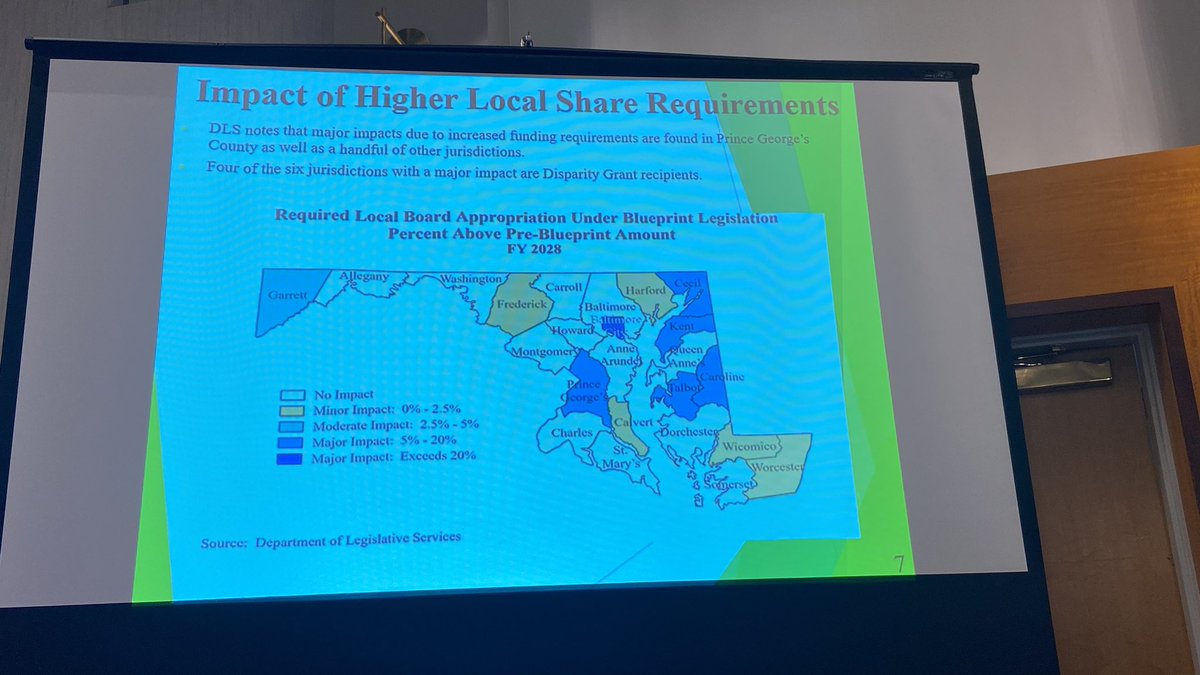
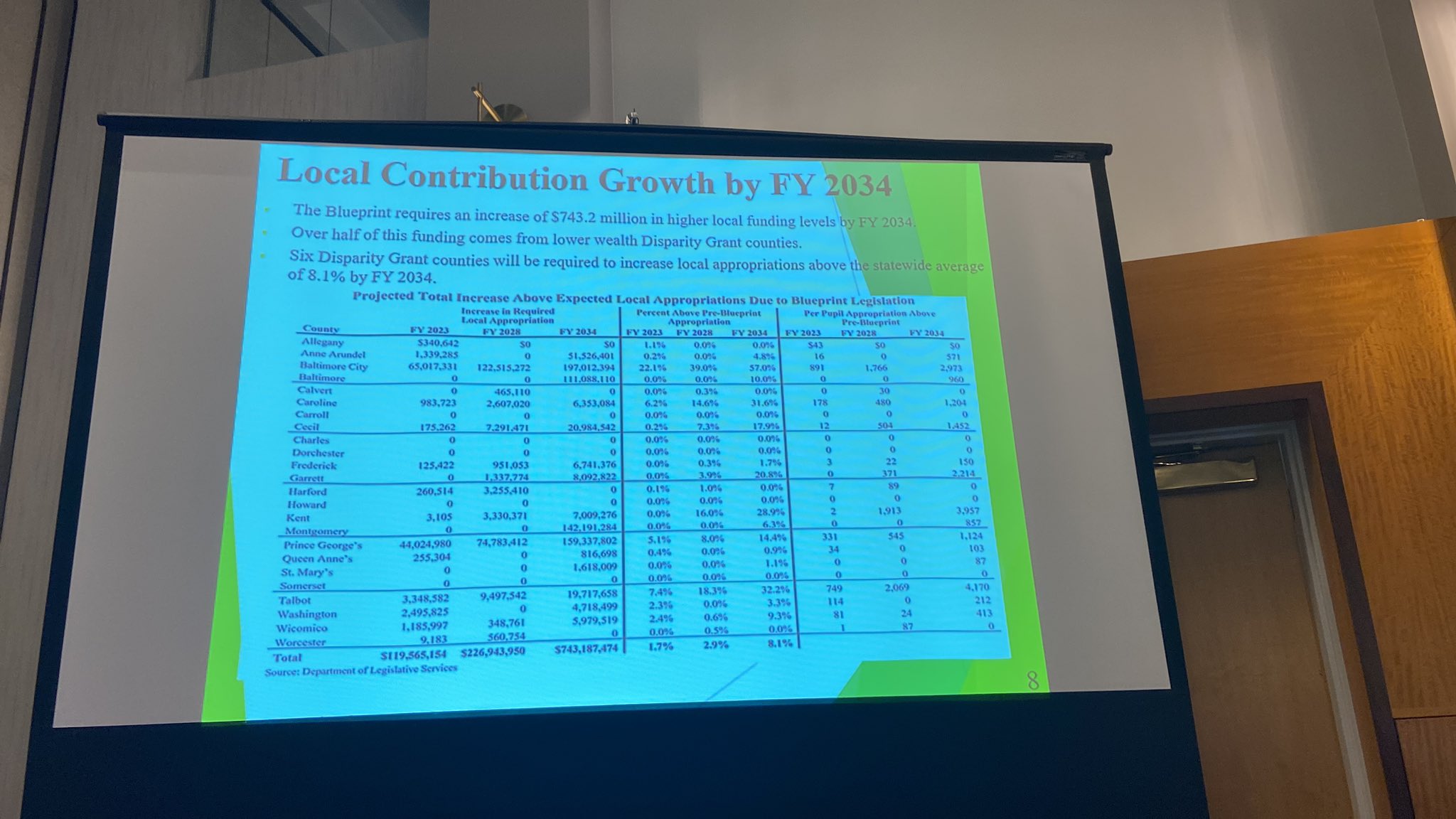
County Administrator Jackson also demonstrated the difficulty of raising local revenue to meet these requirements. Several of the disparity grant counties are already at the max property tax rate for their county, and other additional taxing would put more strain on those disadvantaged families.
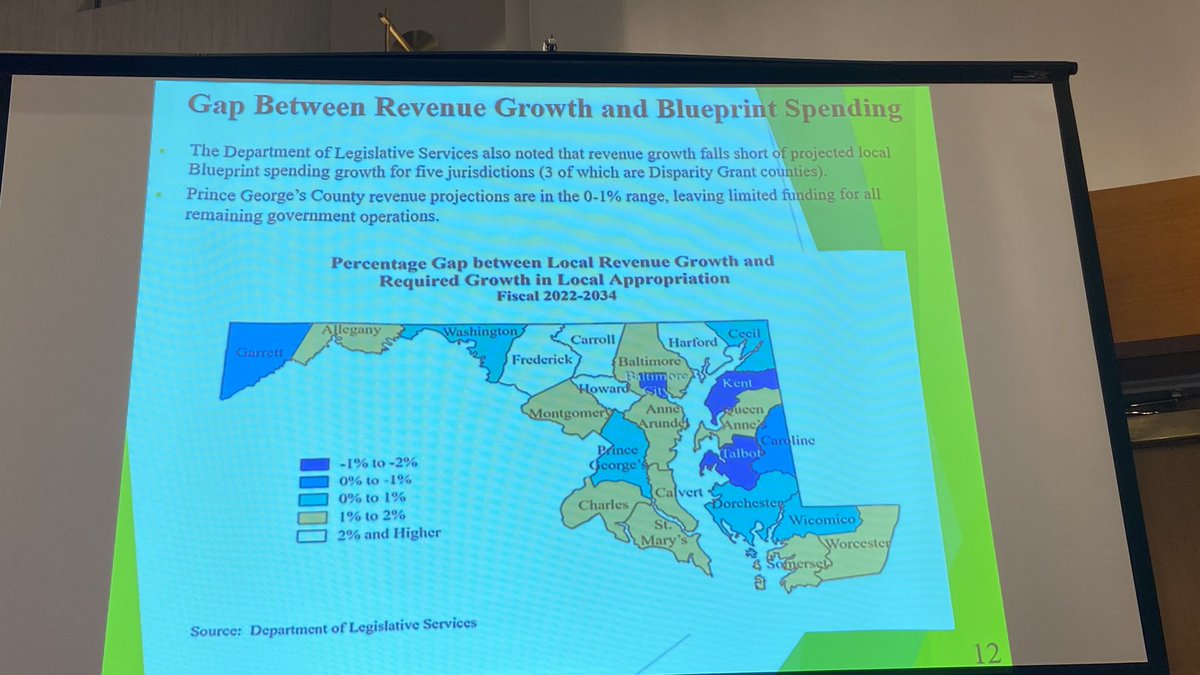
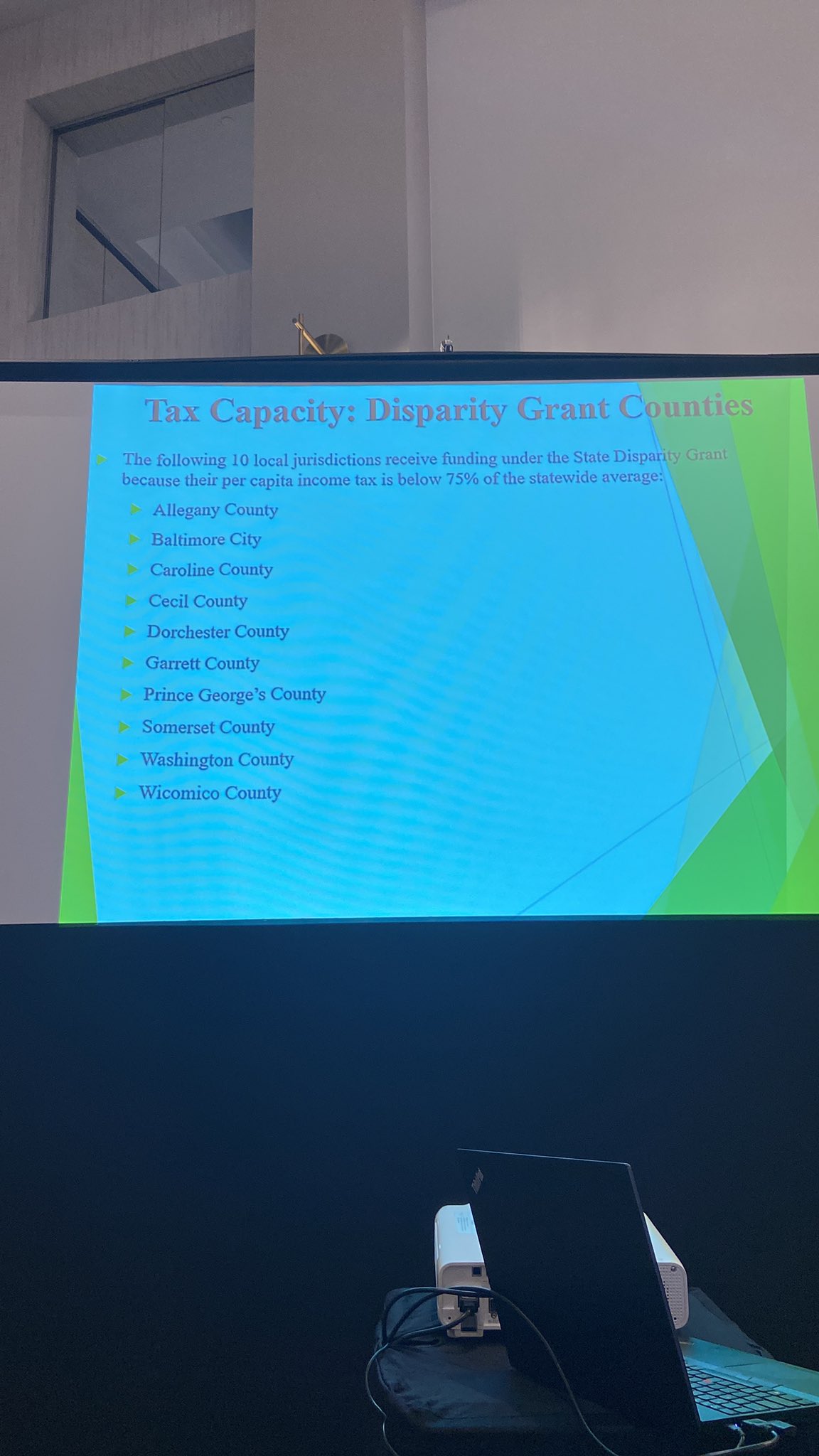
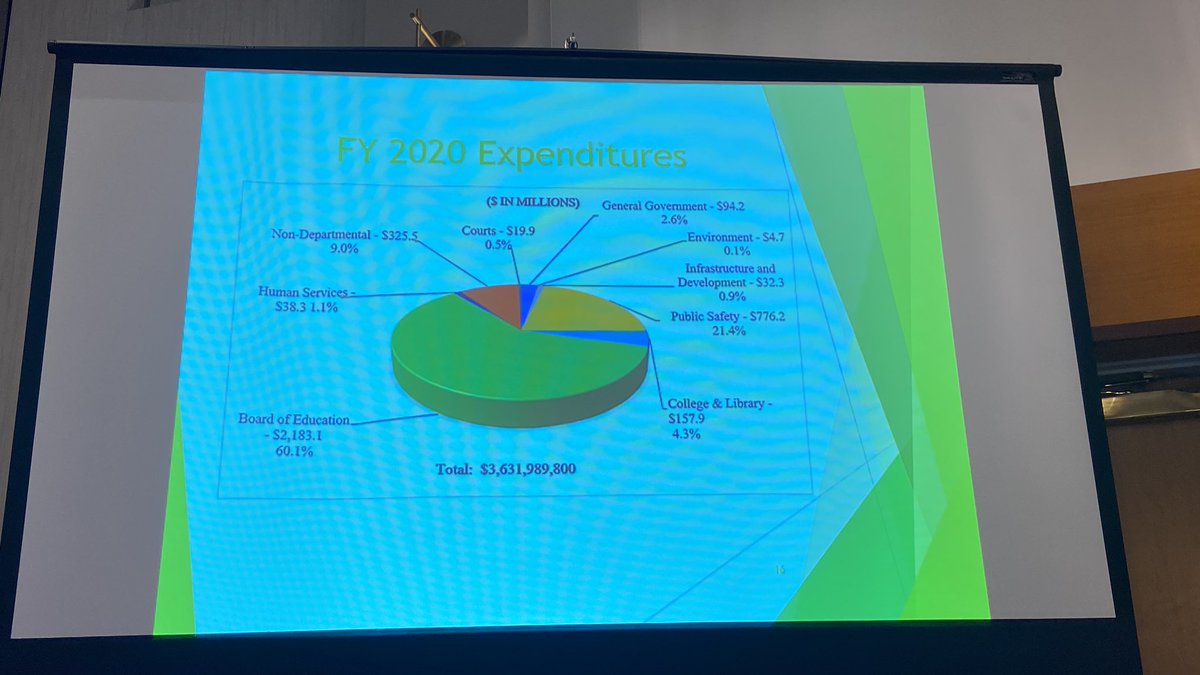
The result, Jackson says, is that counties are unable to contribute adequate funding to other categories of county service, like public safety, housing, and the environment, that they would otherwise like to more greatly resource.
Educators and the Blueprint
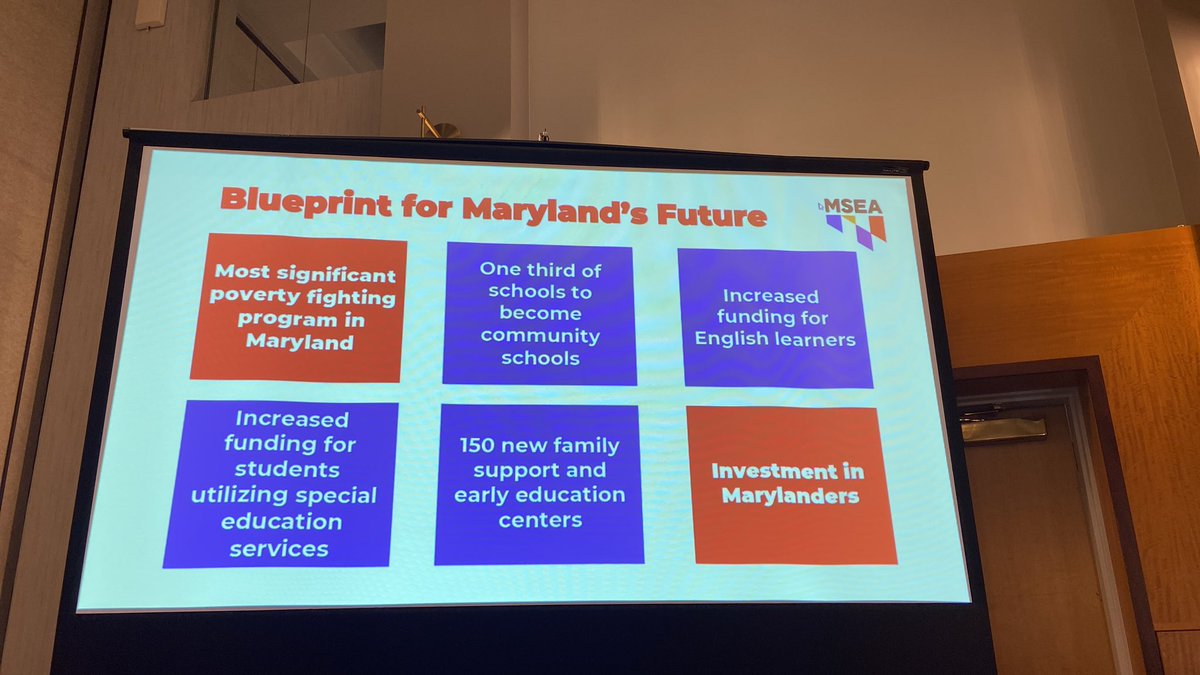
MSEA’s Sean Johnson rounded out the panel with a look at how Maryland’s educators view the Blueprint. Johnson called the education reform law “the biggest anti-poverty policy Maryland has ever taken on.” He also provided an overview of the state of hiring and retaining Maryland’s teachers and support staff, noting that money is not the only factor important to teachers and potential teachers. Classroom behavior and environment are also major issues driving the post-pandemic educator shortage.
More about MACo’s Winter Conference:

